The growth of mobile finance has changed how traders monitor currencies, review market conditions, and manage trading activity while away from a desktop workstation. A well-designed forex trading app android solution brings essential market tools into a portable environment, allowing users to follow currency movements, study charts, review economic developments, and manage their trading workflow from a compatible Android device. As mobile participation continues to develop, usability, security, information quality, and technical performance have become important measures when assessing a modern trading application.
What Makes a Mobile Forex Trading Platform Useful?
A useful mobile trading platform should combine market access with practical analytical functions. Traders generally look for clear navigation, responsive charts, watchlists, order management features, and timely market information. These functions help create a structured environment where users can review financial markets without relying entirely on a desktop computer.
The strongest applications are designed around accessibility. Important information should be easy to locate, while frequently used tools should require minimal navigation. This becomes particularly relevant during active market sessions, when traders need to move between charts, market observations, and account functions efficiently.
Why Is Android Compatibility Important for Traders?
Android devices represent a broad mobile ecosystem with different screen sizes, hardware specifications, and operating environments. A trading application designed properly for Android should maintain consistent performance across supported devices while presenting information clearly.
Responsive design is particularly important because currency charts contain detailed visual information. Poor scaling can make indicators, price movements, and navigation controls difficult to interpret. A professional application should therefore balance information density with readability.
Compatibility also affects convenience. Traders may use smartphones or tablets throughout the day, making reliable mobile access useful for monitoring markets, reviewing positions, and responding to changing conditions.
Which Analytical Tools Are Most Valuable?
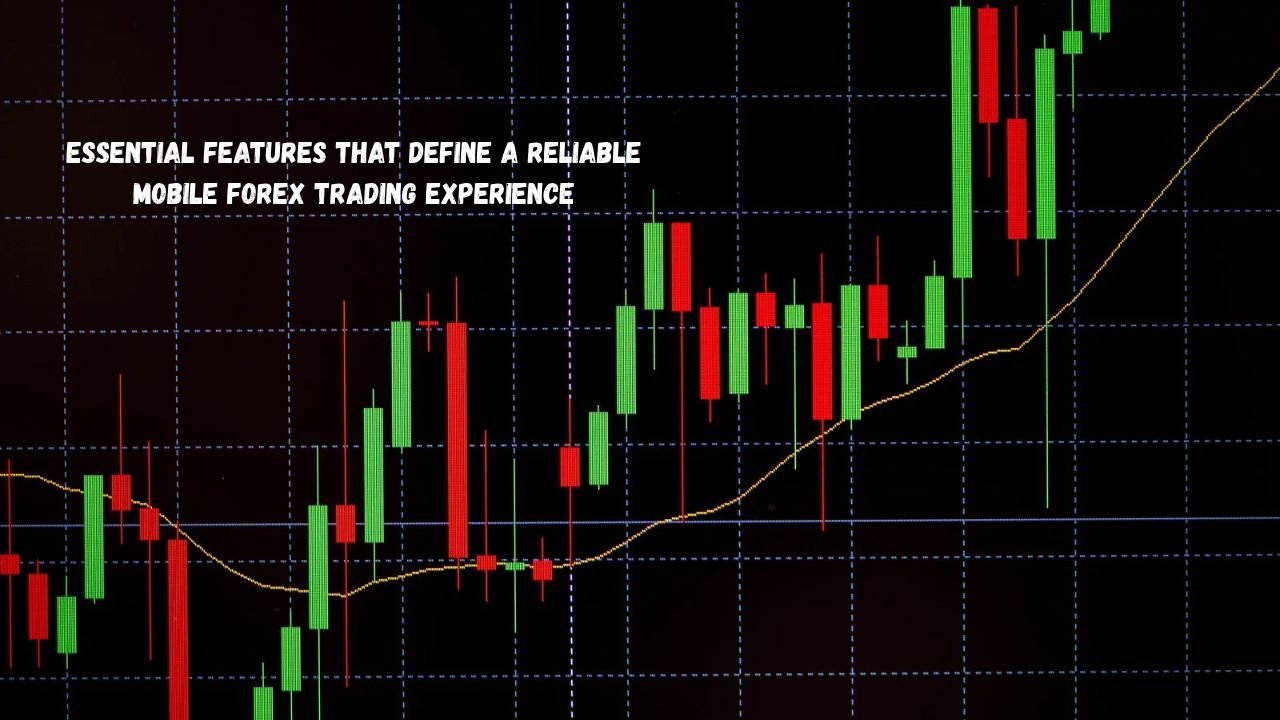
Charting remains one of the central features of mobile forex trading. Effective chart tools allow users to examine price movements across different timeframes and identify patterns that may support their own market analysis.
Technical indicators can provide additional context. Moving averages, momentum tools, volatility measures, and trend-based indicators are commonly used to study market behavior. However, the usefulness of any indicator depends on how it is applied within a broader trading method.
Drawing functions can also improve mobile analysis. Trend lines, support areas, resistance zones, and other visual markers help traders organize observations directly on a chart.
How Important Are Real-Time Market Updates?
Currency markets can change rapidly in response to economic developments, central bank decisions, geopolitical events, and broader financial conditions. For this reason, timely information is an important characteristic of a professional trading application.
Live or near-real-time pricing allows traders to observe current market conditions rather than relying on outdated information. Market alerts can add another layer of convenience by notifying users when selected conditions occur.
A strong notification system should remain practical rather than overwhelming. Traders benefit from relevant alerts that support their established monitoring process without creating unnecessary distractions.
What Role Does Security Play?
Security is a fundamental consideration for any financial application. A mobile trading environment may involve account credentials, personal information, trading activity, and other sensitive data.
Professional applications should use established security practices to protect user access and transmitted information. Secure authentication, session protection, and appropriate data safeguards can reduce unnecessary exposure.
Users should also contribute to account security by protecting their device, using strong authentication credentials, keeping software updated, and avoiding suspicious links or unofficial application sources.
How Does Order Management Affect Mobile Trading?
Order management should be clear and structured. Traders need to understand the information displayed before confirming an action, particularly when using a smaller mobile screen.
A well-organized interface separates important order details and reduces confusion. Confirmation screens can help users review selected instruments, order conditions, and other relevant information before completing an action.
Mobile trading should not encourage rushed decisions. Instead, the application should provide a clear technical environment in which users can follow their existing strategy and review relevant information.
Why Are Watchlists Useful?
Watchlists help traders organize instruments they monitor regularly. Rather than searching for individual currency pairs repeatedly, users can create a focused selection of markets for convenient observation.
An effective watchlist can display current pricing, movement information, and other selected data in a compact format. This can simplify market scanning and help traders identify areas requiring closer analysis.
Personalization is another useful feature. Different traders follow different currency groups, so customizable watchlists provide greater flexibility than fixed market displays.
What Should Traders Look for in Chart Performance?
Chart performance has a direct impact on usability. Charts should load efficiently, respond smoothly to gestures, and allow traders to switch between timeframes without unnecessary delays.
Touch-friendly controls are especially important. Zooming, scrolling, changing indicators, and selecting chart periods should feel intuitive on a mobile display.
Visual clarity also matters. Excessive technical elements can make a chart difficult to read, while insufficient information may limit analytical usefulness. A balanced interface gives traders control over the amount of information displayed.
How Can Economic Information Support Market Analysis?
Currency movements are influenced by economic conditions. Employment reports, inflation developments, interest-rate decisions, economic growth data, and geopolitical developments can all affect market expectations.
A mobile trading application that integrates an economic calendar can help traders organize important events. Calendar functions may show scheduled announcements, event descriptions, and expected market relevance.
Such information should be treated as research material rather than a guarantee of future price behavior. Market reactions can differ from expectations, making independent analysis important.
Why Does Application Stability Matter?
Reliability is particularly important when financial information is being monitored through a mobile device. Unexpected crashes, slow loading, or repeated connection issues can interfere with a trader’s workflow.
Stable applications should manage common mobile conditions effectively, including changes between Wi-Fi and mobile networks, background activity, and device resource limitations.
Regular software maintenance also matters. Updates can improve compatibility, resolve technical problems, and strengthen security features.
What Statistics Should Traders Consider When Evaluating Mobile Tools?
Statistics can help users understand market behavior and application performance. Useful information may include historical price data, volatility measurements, trading-session activity, spread information, and execution-related records.
The value of statistics depends on context. A single data point rarely provides enough information to understand a currency market. Traders often benefit from examining multiple observations across different market conditions.
Performance records can also support personal review. By maintaining a trading journal, users can identify recurring patterns in their own decisions and refine their approach over time.
How Does Mobile Trading Support a Structured Routine?
A mobile platform can support several stages of a trading routine. Before entering the market, traders may review economic events and broader market conditions. During market observation, they can monitor selected instruments and analyze charts. After activity has been completed, historical information and trading records can support review.
This creates a more organized process rather than treating mobile access as a replacement for planning.
The most useful applications therefore function as practical tools within a broader trading framework. Their role is to improve access to information and account functions while leaving analytical and financial decisions with the individual trader.
What Is the Overall Value of Modern Android Trading Tools?
Modern Android trading applications combine mobility, market information, analytical functions, security, and account management in a compact environment. Their usefulness depends on more than appearance. Reliable performance, clear data presentation, practical charting, timely information, and secure access are central characteristics.
For traders, the most meaningful mobile experience is one that supports an established process without creating unnecessary complexity. As financial technology continues to evolve, Android-based trading tools are likely to remain an important part of how market participants observe and manage their currency trading activities.